__________________________________________________________________________________________________________

Doctrine of Signatures

The Doctrine of Signatures was originally defined as: 

It was believed that a benevolent Creator deliberately hid physical "signs" or "signatures" on flora and fauna to indicate their curative effects.


The new metaphysical definition is: 

proposes that nature provides visual clues ("signatures") for how to use plants to heal human ailments


The old-time healers had to rely on their senses to develop the art of knowing which plants had healing potential. They determined this by observing the many ways the plants speak to us through the shape and colour of their flowers, roots, and leaves; when they bloom; the environment they grow in; their taste, how they feel when ingested; and much more. To fully understand an herb and its potential for healing is to fully observe and translate a unique language, you might call it 'decoding nature herself.' 


This concept of the Doctrine of Signatures has its roots in ancient times, and there are some key figures. Paracelsus (1493-1541) was a Swiss-German physician and alchemist who laid the formal theoretical groundwork, arguing that God deliberately marked nature to reveal its curative properties. Jakob Böhme (1575–1624), a German religious mystic who furthered the idea, coined the term "Doctrine of Signatures" in his 1621 book, 'The Signature of All Things'. Nicholas Culpeper (1616–1654): An English herbalist who extensively applied and promoted this doctrine in medical botany. Most Western herbalists would be familiar with Culpeper's work.  


Regrettably, the Doctrine of Signatures is an old methodology that has fallen out of use and favour in the last hundred years or more. Even though this doctrine is not considered a science in any way now, that does not mean nature lacks its patterns and blueprints. The common names of many plants indicate their uses, and, remarkably, many medicinal plants do follow the criteria of the Doctrine of Signatures. 

 

There is a well-known herbalist called Mathew Wood, who still uses this methodology alongside more modern scientific research. I believe there is a place for the Doctrine of Signatures in learning about the plants, if only to hone one's observations and as a memory tool. Just because something is old does not necessarily mean it does not bear looking at. Besides, it is enjoyable and magical to view the plants as telling us how to use them. 


So let's have a look at this old method and see what our ancestors figured out.  

LEAVES

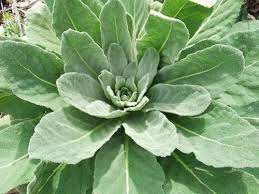
The old-time healers observed that large, broad leaves may indicate illnesses of the lungs or skin. If these leaves also have hairiness, they would be considered lungs, specifically because the hairs represent the tiny hairs, or cilia, that the lungs contain to keep mucus and dirt out.

Mullein is an excellent example to use, as it has large, broad leaves with a slight downy feel, which are used for lung disorders. When mullein is ingested, it has a moistening effect on the body, including the lungs. In cases of dry hacking, cough mullein will moisten the dry tissue, allowing the moistened mucus to move up and out. Used for coughs that ‘shake the frame.’

__________________________________________________________________________

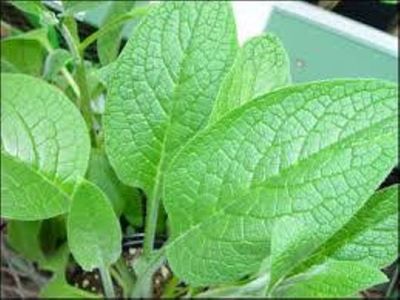
Comfrey leaves are used for the skin and for wound healing.  The chemical in comfrey that is responsible for its healing power is called allantoin, which stimulates tissue repair and cell growth. This herb has been used for time immemorial for wound healing. A Comfrey salve is a handy one to have around the house. NOTE: Do not use internally.


WHAT COLOURS SAY


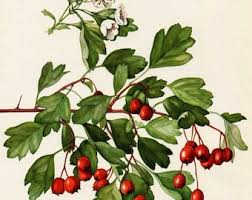
RED on any part of a plant indicate it has a use for the blood or the circulatory system. Just to test this theory out, I researched ten different plants and foods to see if this doctrine idea worked, and to my delight, all ten had a connection to the blood. I am sure it is not a given each time, but it is correct more than not.


__________________________________________________________________________

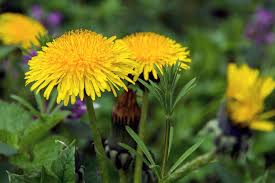
YELLOW - indicates a use for digestion

A Dandelion flower is the colour of yellow, which is often indicated for the digestive system. This herb is great for digestion, as it helps cleanse the liver and supports the stomach, helping with issues like stomach upset and constipation, just to name a few.


PLANTS THAT LOOK LIKE THE BODY PARTS OR ORGANS

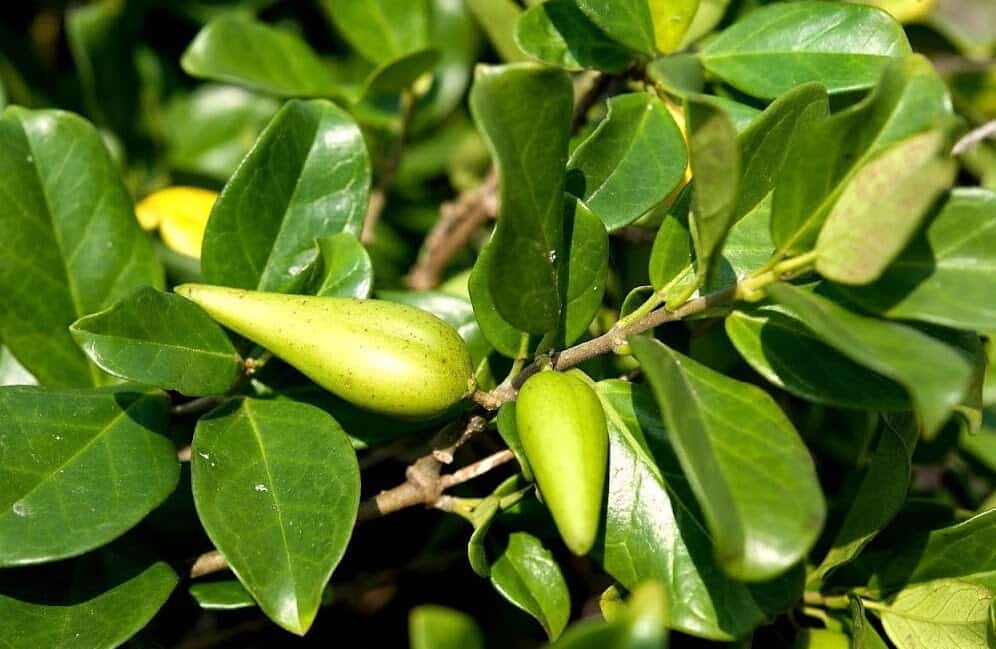
Gymnema Sylvertis- An herb that helps balance blood sugars and is useful for Type 2 diabetes. The pod on the plant looks just like the pancreas, which is the organ that regulates sugar.

__________________________________________________________________________

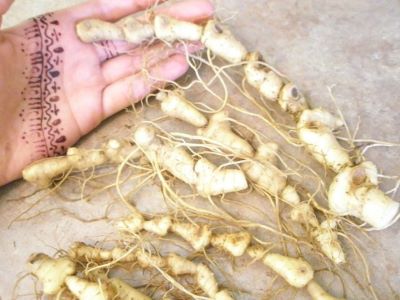
Solomon's Seal, whose roots resemble bones, knuckles, and vertebrae, has long been used to relieve muscular and skeletal tension, carpal tunnel syndrome, and bone spurs. It is also helpful for tendon and ligament repair. 

__________________________________________________________________________

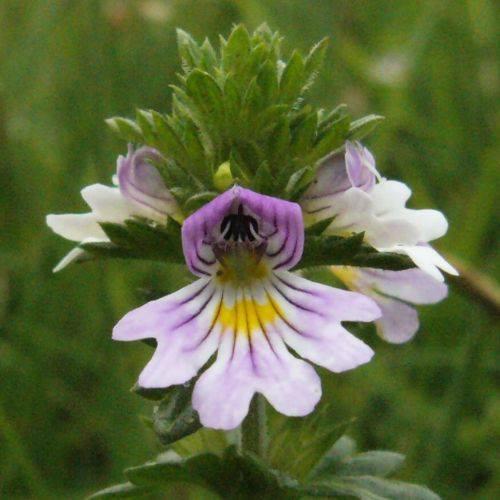
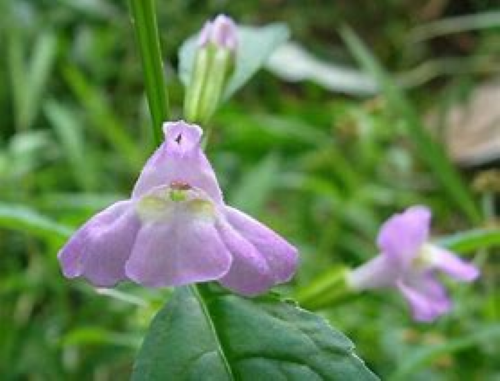
Eyebright looks like an eye with eyelashes!  It is a traditional herb used to soothe tired, itchy, or irritated eyes. It is commonly prepared as commercially sterilized eye drops, as a cooled tea compress at home, or taken orally. Always consult a healthcare professional first, as unsterile home preparations carry a risk of infection. 


PLANTS THAT LOOK LIKE THE ILLNESSES ITSELF

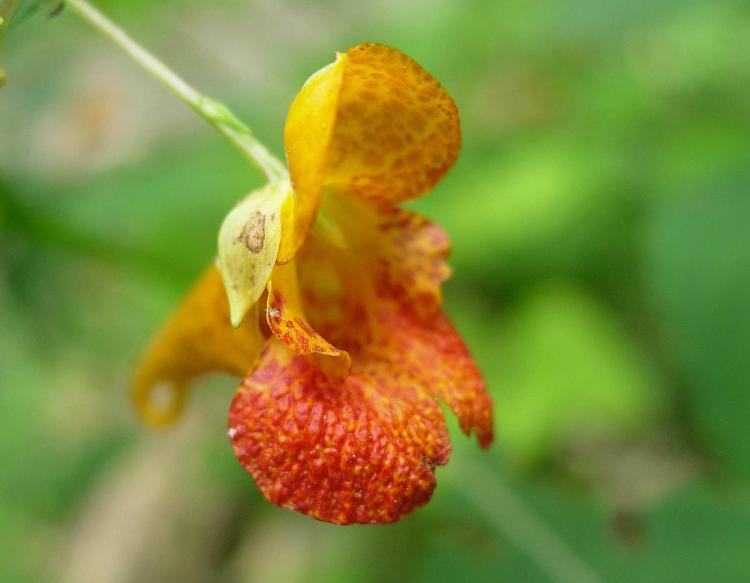
Jewelweed looks it has a red rash on it much like poison ivy. If you rub the flower on your poison ivy or poison oak rash it will relieve the itch.

__________________________________________________________________________

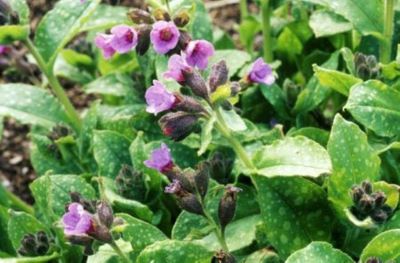
Lungwort -The plant’s signature appearance of white spots on the leaves corresponds with the spots one might find on a sick lung. In the ancient past, lungwort was used for tuberculosis. Now it is more commonly used to help in treating less dire lung conditions, such as pulmonary emphysema, bronchial coughs, and asthma.

__________________________________________________________________________

SUMMARY


There is still value in this old system, and I use the general guidelines when first learning about a plant by tasting it, looking at where it likes to live, be it sun or shade, its colours, its root systems, its family and its inherent warmth or coldness internally.  It holds a special place in my heart as I see the plants as living beings with personalities, so I am always in a place of respect and awe at the medicinal gifts of the earth.  Practical Magic indeed!

Disclaimer:  The information, including but not limited to, text, graphics, images and other material contained on this website are for informational purposes only. It is not intended to be a substitute for professional medical advice, diagnosis or treatment. Always seek the advice of your physician or other qualified health care provider with any questions you may have regarding a medical condition or treatment and before undertaking a new health care regimen.

The owner of these written materials makes no claims as to the accuracy or completeness of any of the information, including any links. The owner will not be liable for any errors or omissions in this information.